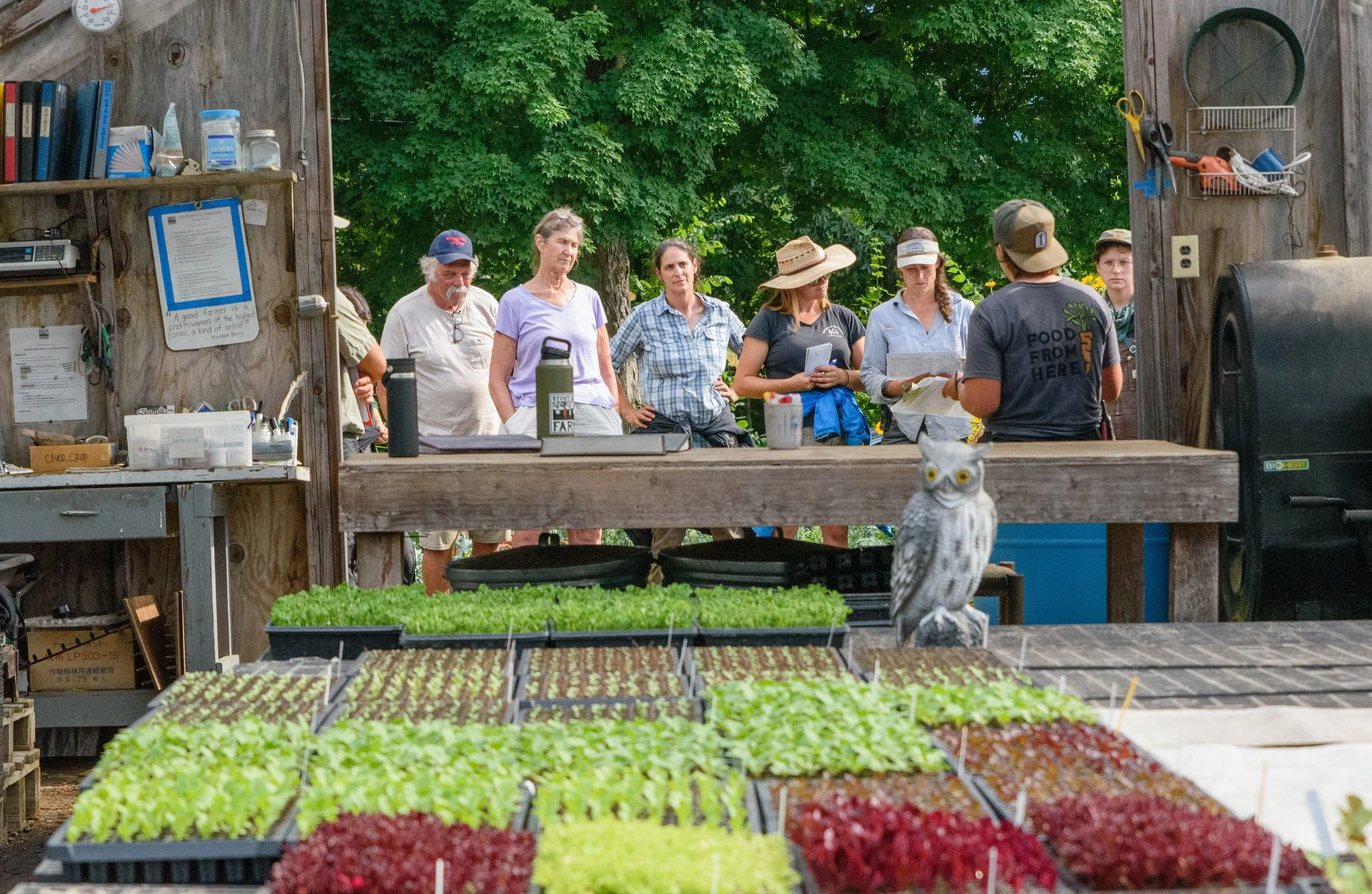



For more than 50 years, the Northeast Organic Farming Association of New Hampshire (NOFA-NH) has proudly served a diverse and vibrant community of farmers, gardeners, and eaters through education, farmer services, food access, policy and advocacy. NOFA-NH is a 501(c)3 non-profit organization dedicated to promoting organic, regenerative, ecologically sound farming, gardening, eating, and land care practices for healthy communities. We help people build local, just, and sustainable food systems.
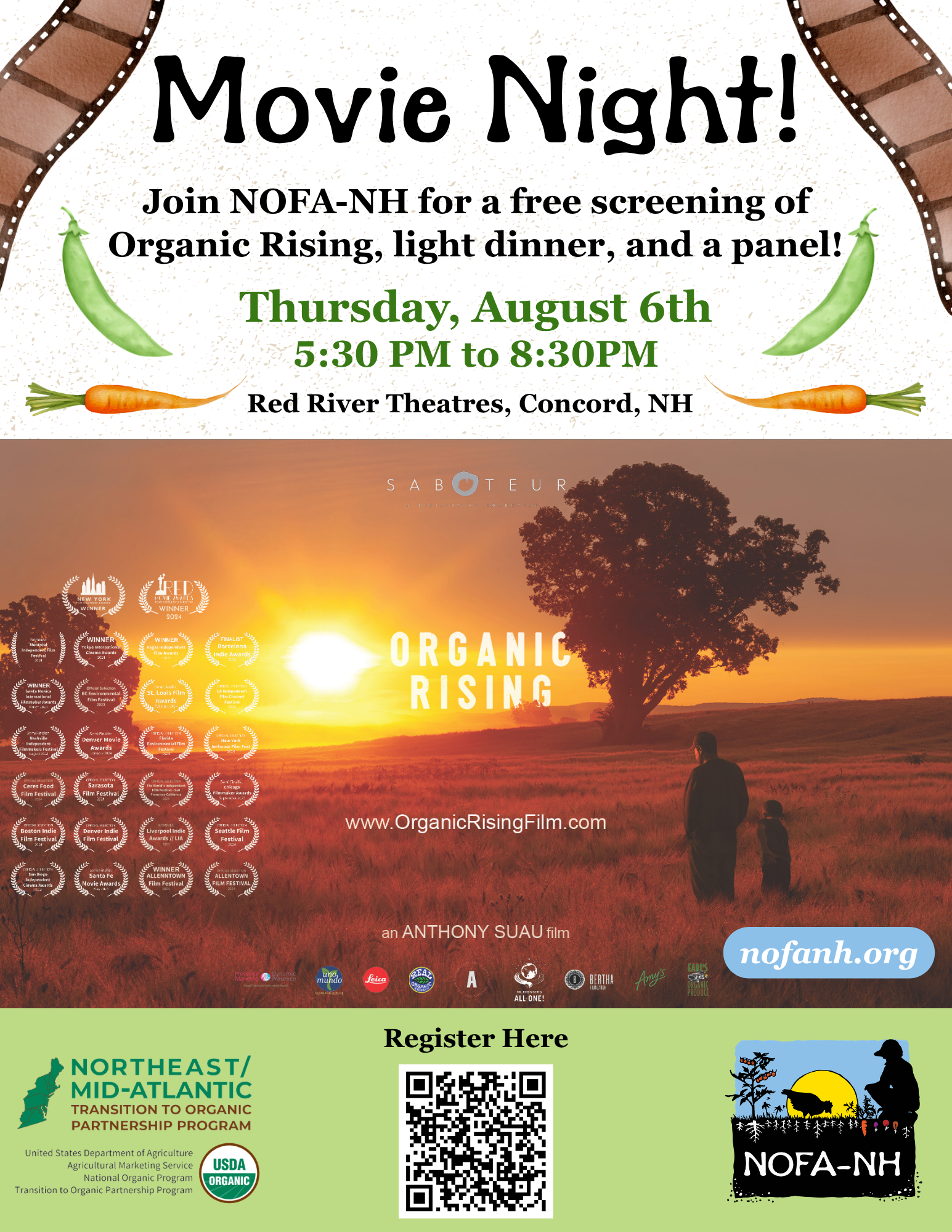
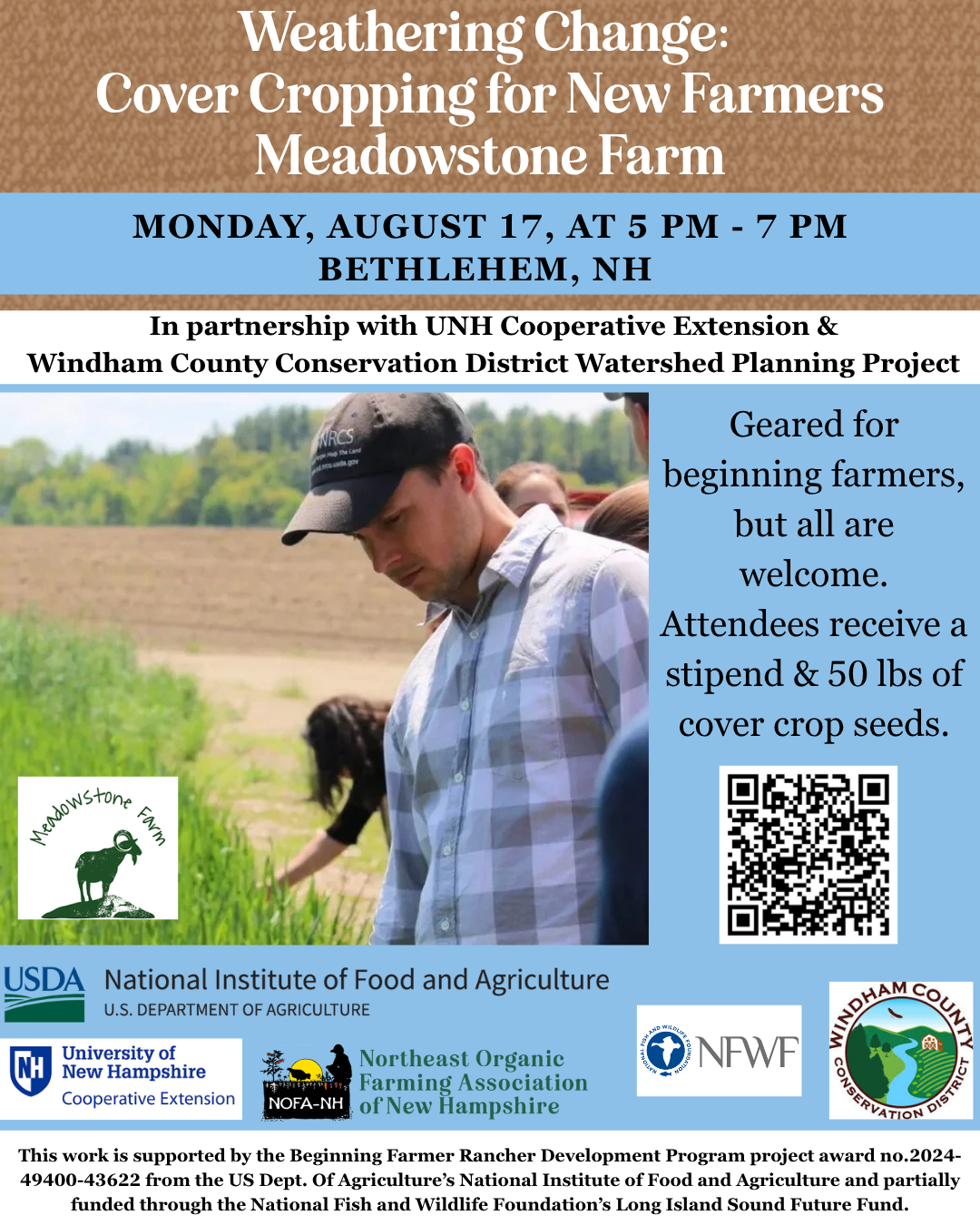
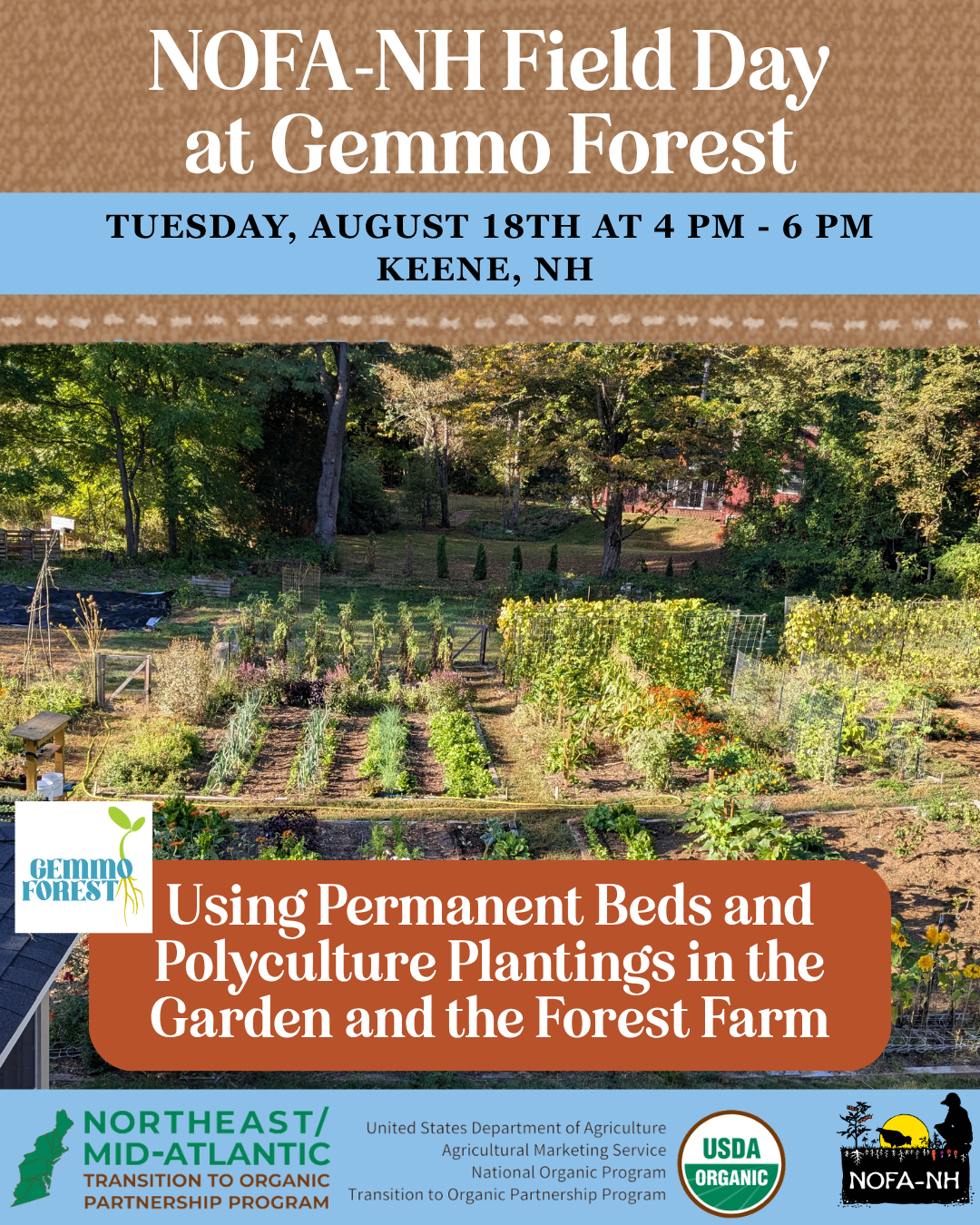
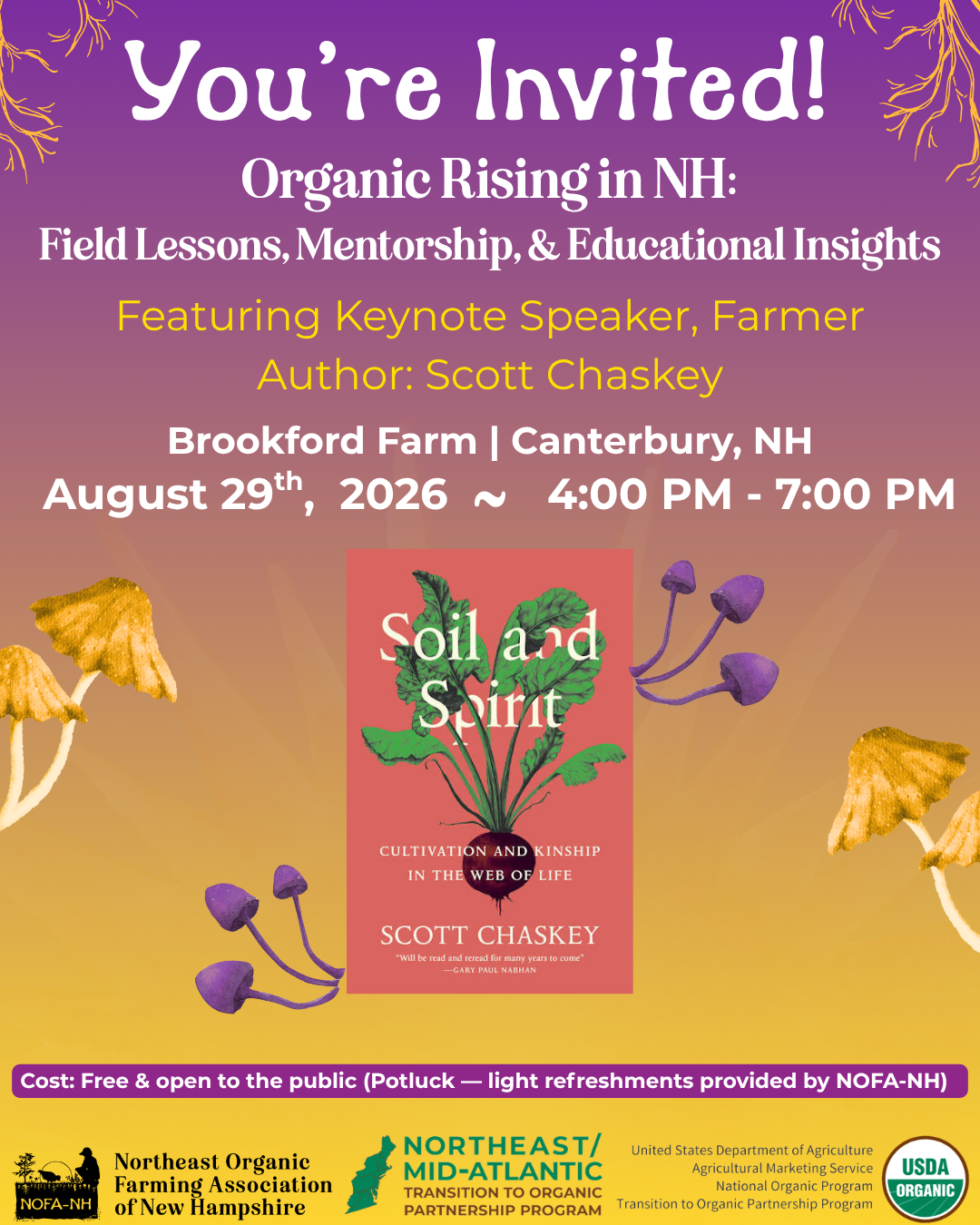
What’s Happening at NOFA-NH?
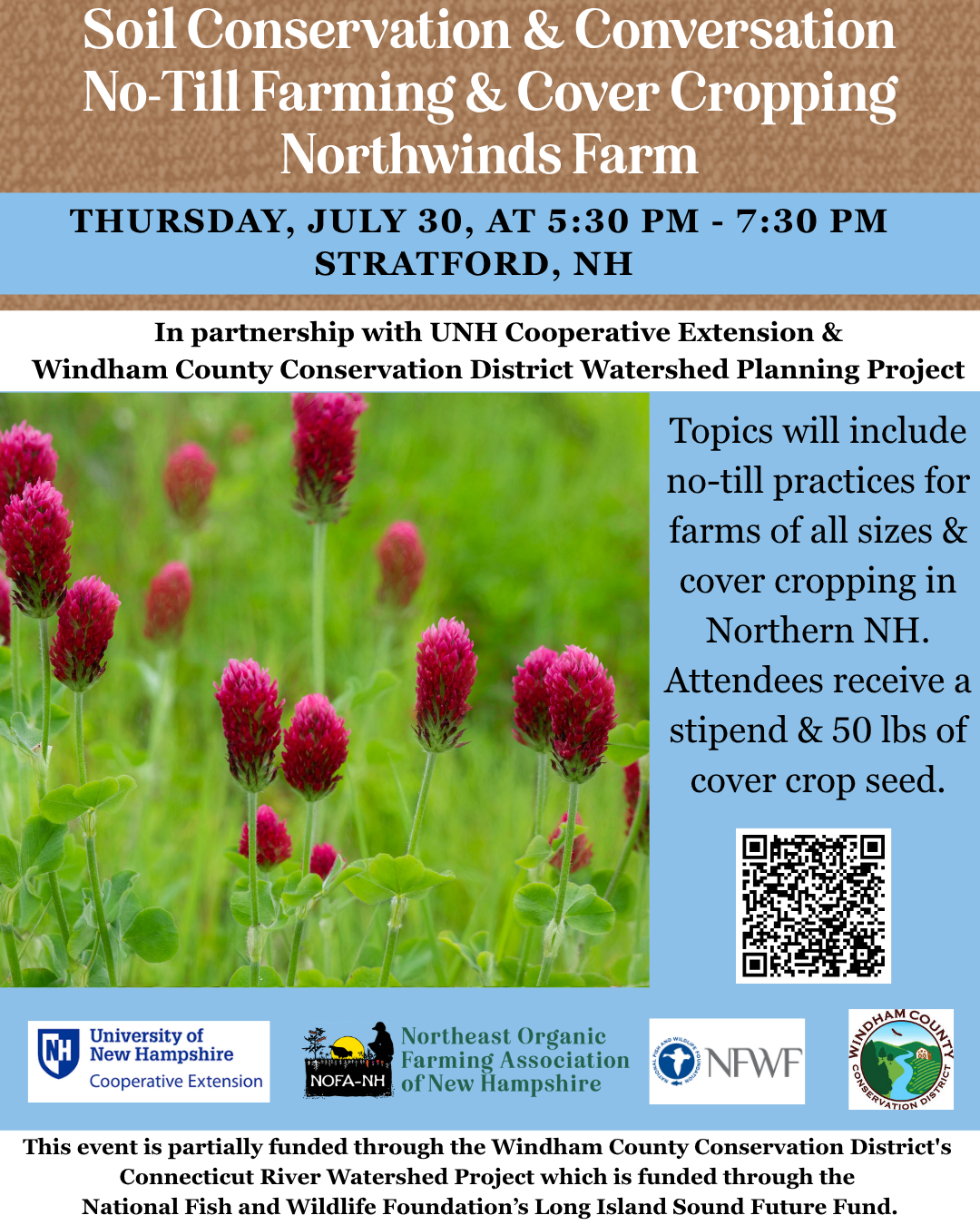
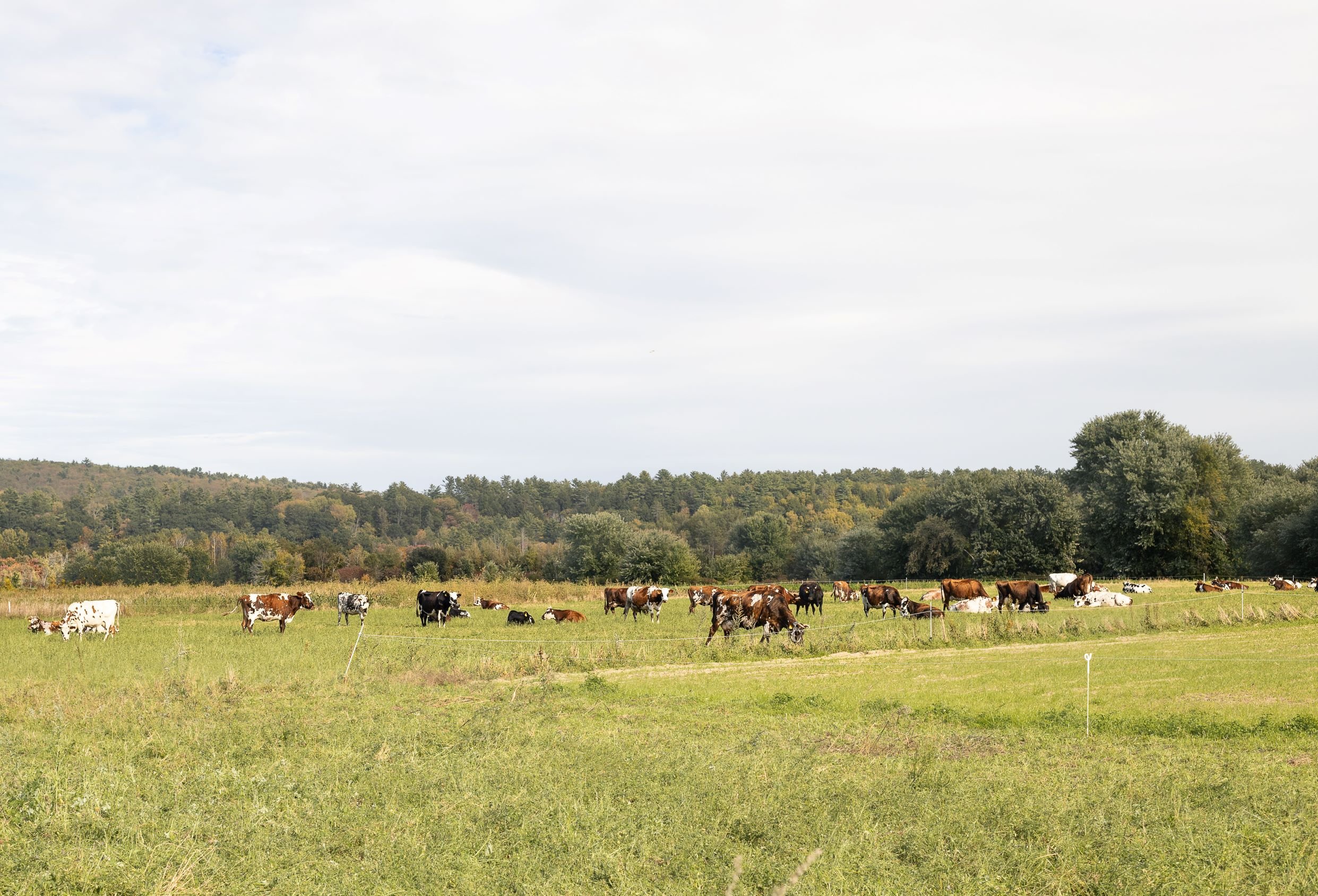
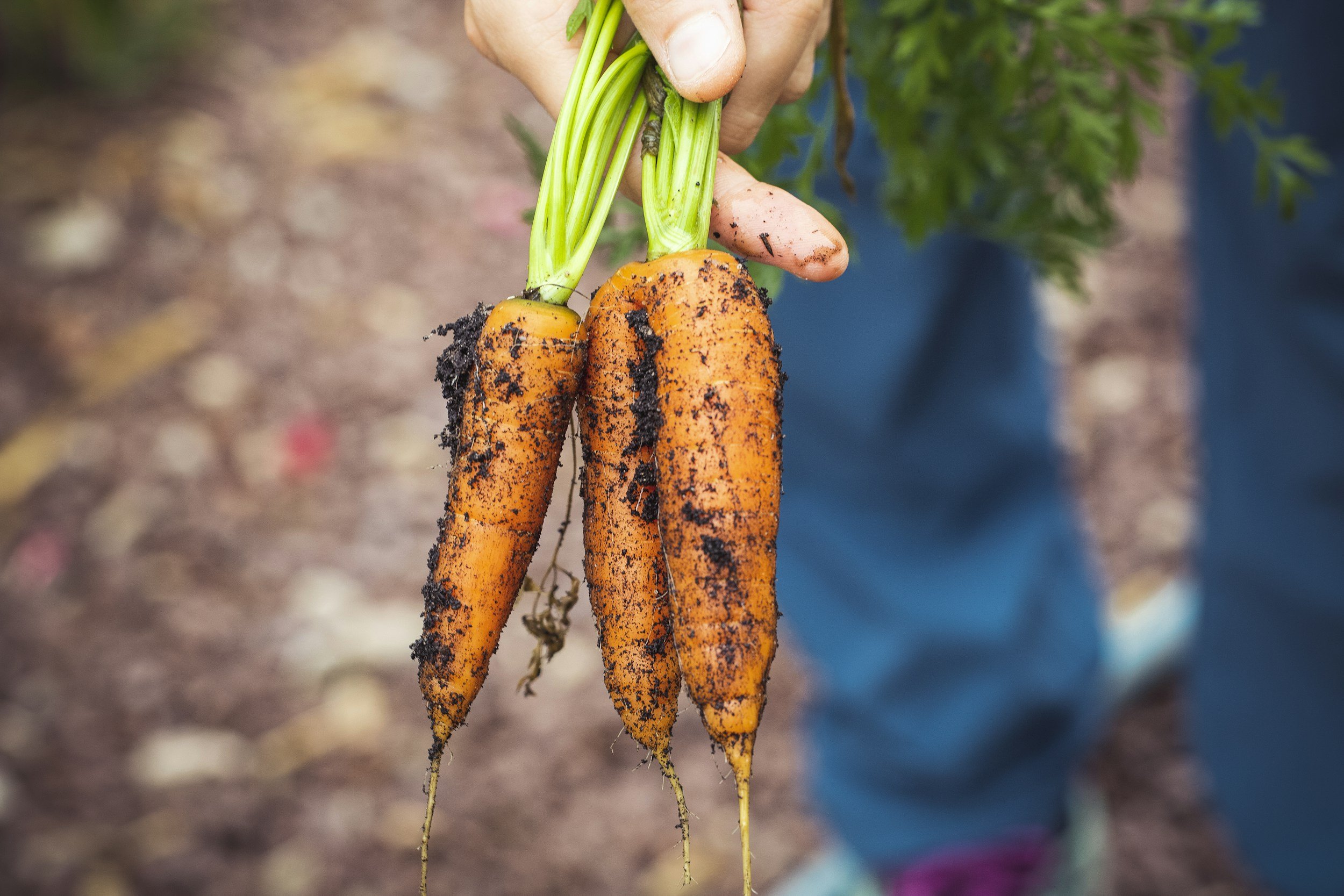
Organic agriculture utilizes sustainable, regenerative practices to build soil health, bolster biodiversity, strengthen ecosystems, mitigate climate change, and protect people and the environment from synthetic pesticides, herbicides, and fertilizers used in many conventional agricultural systems. Organic practices rely on natural conservation processes like crop rotation, rotational grazing, cover cropping, and the use of materials like compost, naturally occurring minerals, and/or non-synthetic amendments to improve yields. Straw, leaves, untreated wood chips, and many other readily available natural mulches are used to help increase the water-holding capacity of soil, reduce erosion and address pest, weed and disease pressures while building living soil.
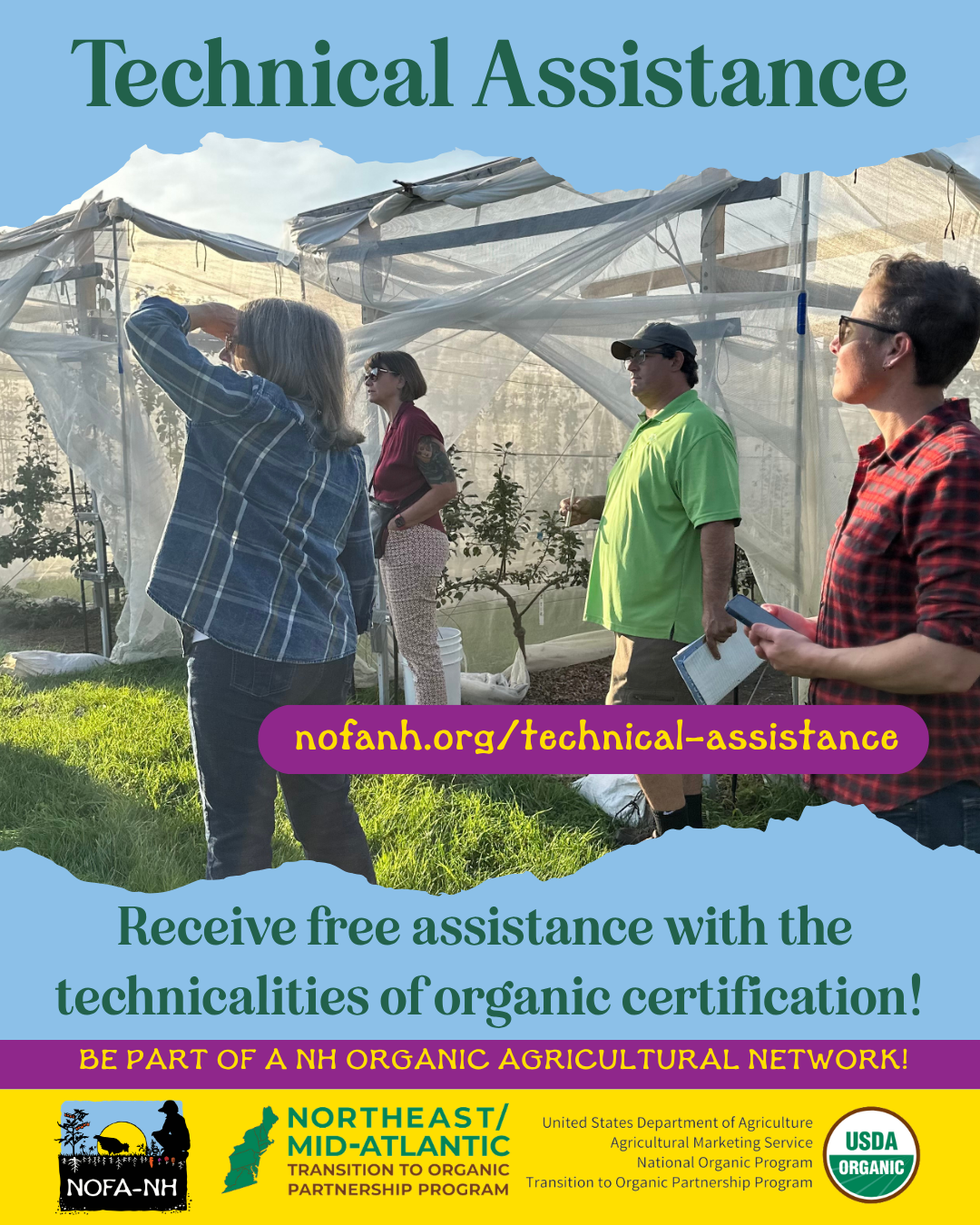
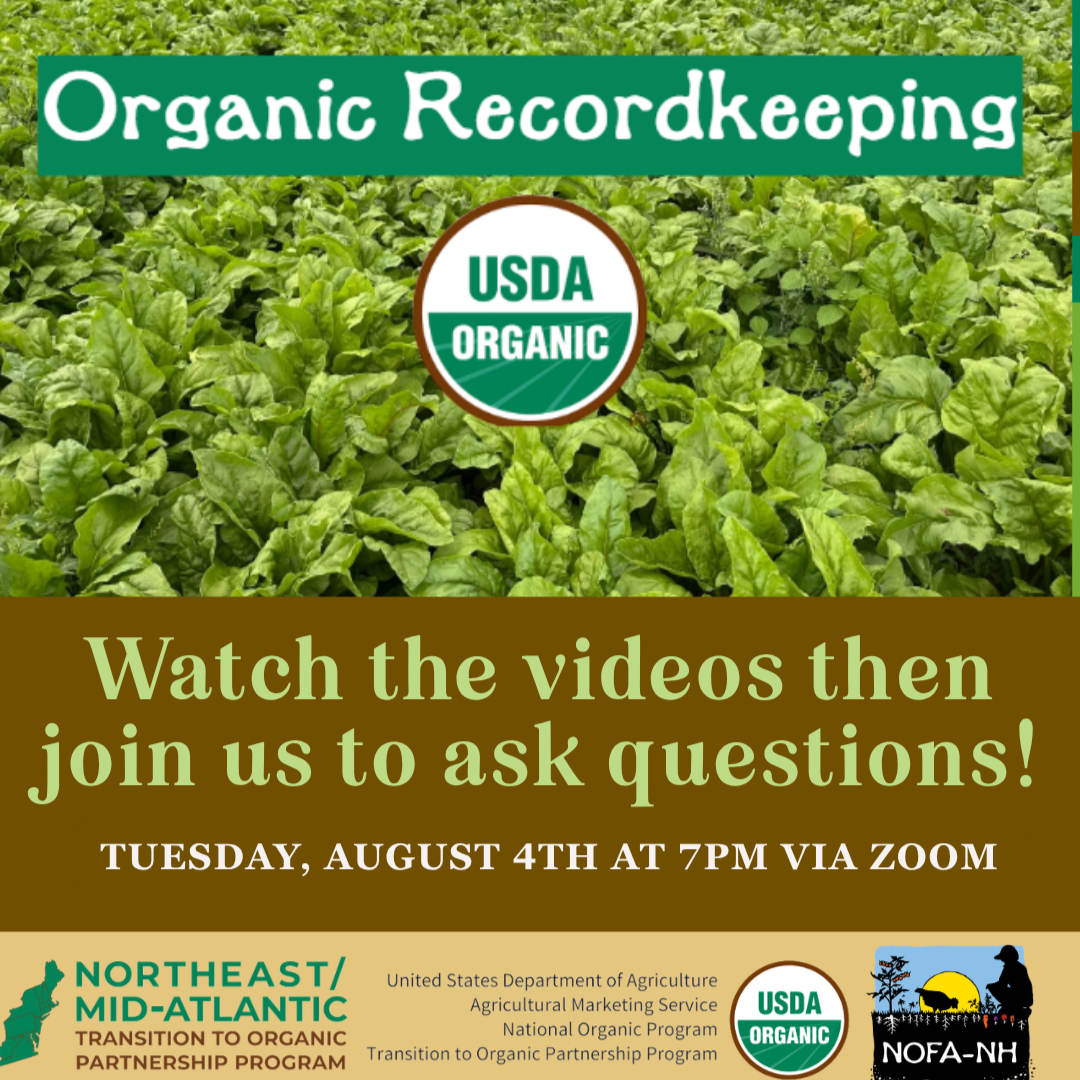
To be certified organic, farmers and producers must follow USDA National Organic Program standards and show compliance with recordkeeping and yearly inspections, but passion of organic farmers extends far beyond the seal. In the face of increasing land and water degradation, organic food production is critical to nourishing a food web that supports soil, waterways, community health, and the environment to meet the needs of our changing world.
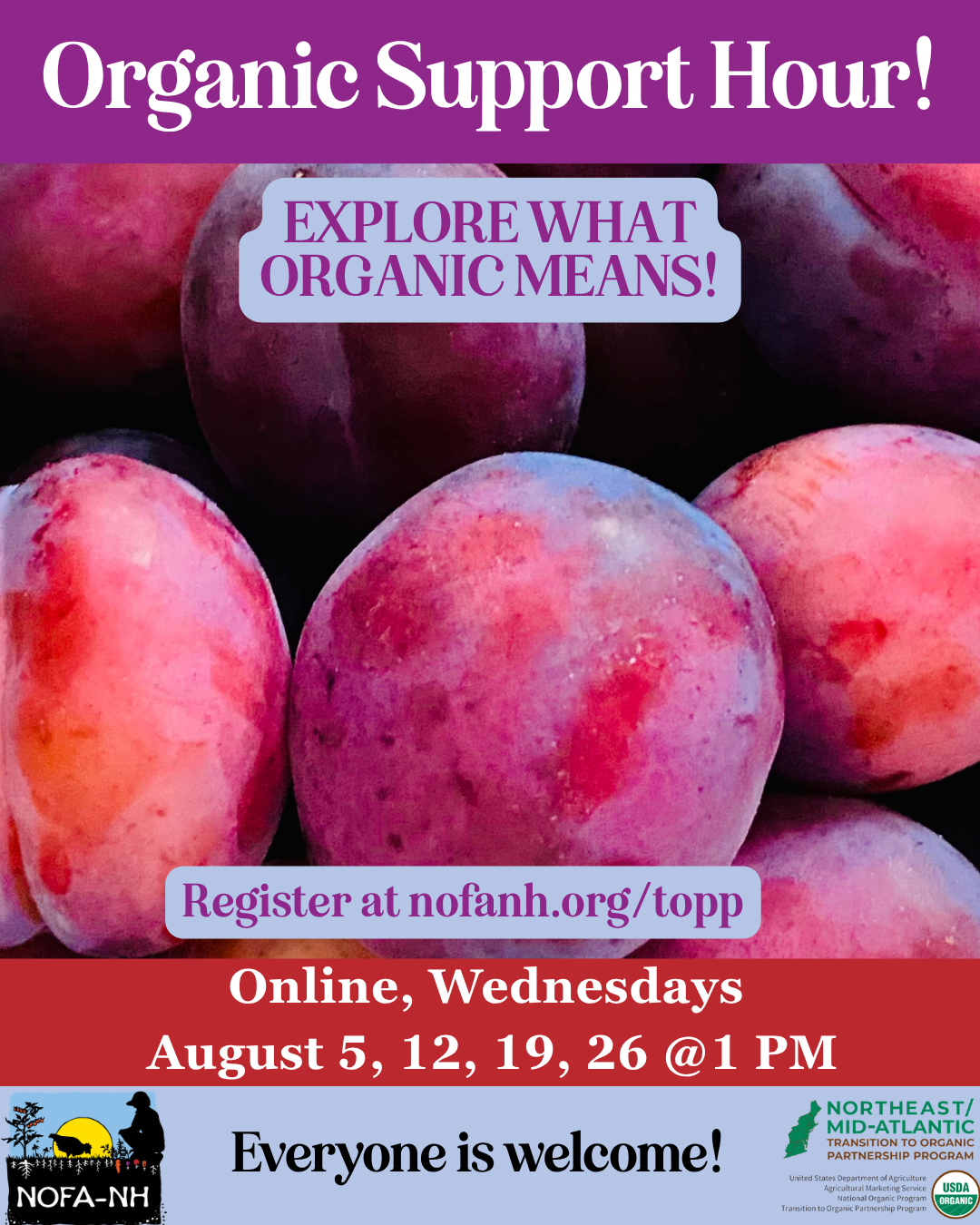
What is Organic?



Thank You Sponsors!